Why Graphite
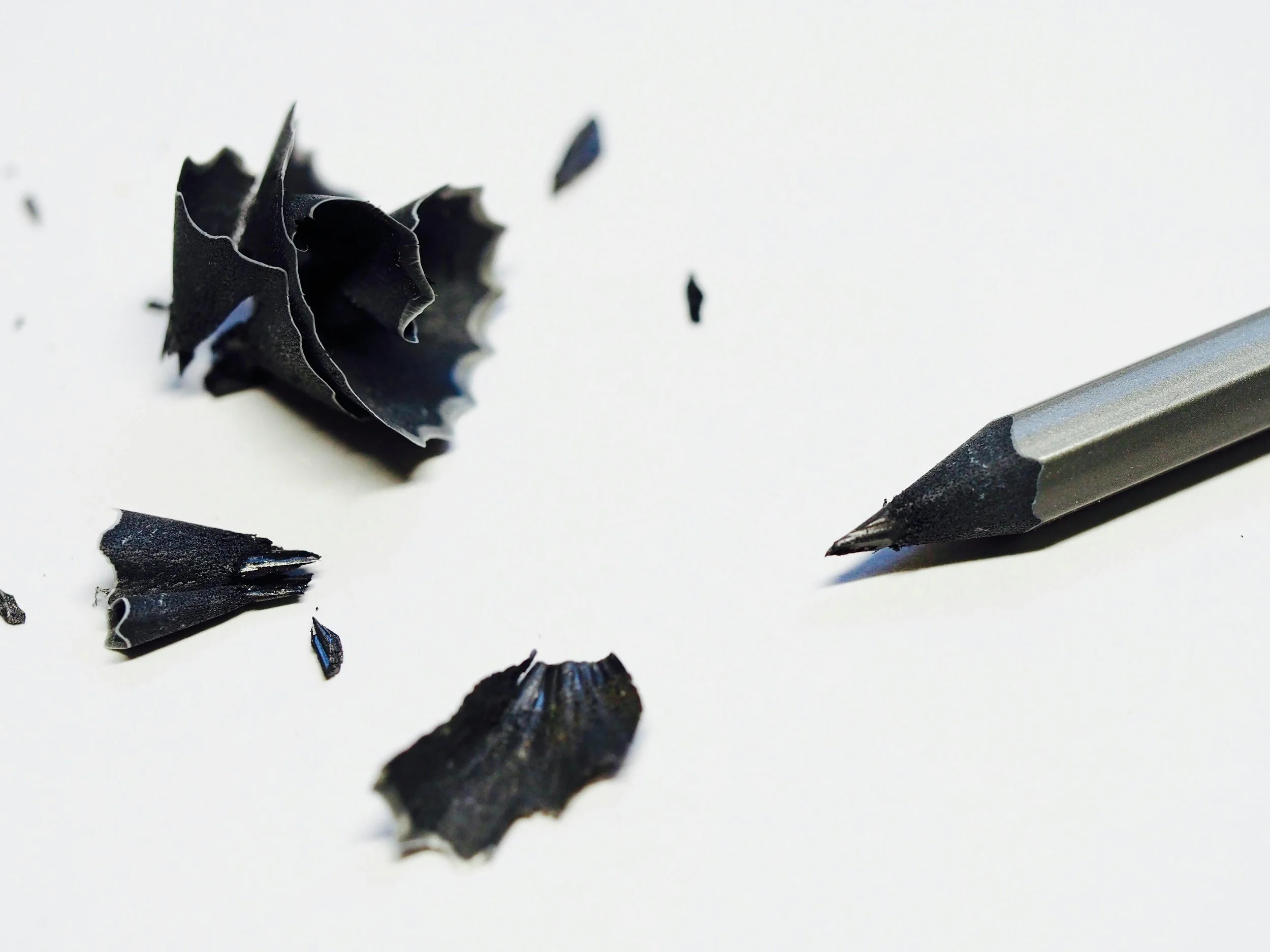
Graphite pencils have long been one of the most essential tools for artists, valued for their simplicity, versatility, and expressive potential. From beginners learning basic drawing skills to professional artists creating detailed works, graphite pencils remain a trusted medium that supports creativity at every level. Their enduring popularity comes from the wide range of benefits they offer in both technique and artistic expression.
One of the greatest advantages of graphite pencils is their versatility. A single pencil can produce light, delicate lines or rich, dark tones depending on pressure and angle. Artists can easily create smooth gradients, sharp outlines, or soft shading without changing tools. With different grades of graphite—from hard pencils that create precise, pale lines to soft pencils that produce deep, dark marks—artists have full control over value and texture. This range makes graphite ideal for sketching, detailed illustrations, and realistic drawings alike.
Graphite pencils also allow for a high level of precision. The fine point of a sharpened pencil makes it easy to capture small details, accurate proportions, and intricate textures. This precision is especially valuable in studies of anatomy, architecture, and realism, where accuracy is essential. At the same time, graphite can be loosened and expressive, allowing artists to experiment with movement, shadow, and form without losing control.
Another important benefit of graphite is its forgiving nature. Unlike ink or paint, graphite can be erased, adjusted, and reworked. Mistakes are not permanent, which encourages experimentation and reduces fear of failure. This flexibility helps artists build confidence and refine their work through gradual improvement. Erasers can even become creative tools themselves, lifting graphite to create highlights or softening areas for a more natural look.
Graphite pencils are also highly accessible. They are affordable, easy to find, and require minimal additional materials. An artist needs little more than paper and a pencil to begin creating, making graphite an ideal medium for practice, travel, and spontaneous inspiration. This accessibility removes barriers to creativity and allows artists to focus on developing skill rather than managing complex supplies.
In addition, working with graphite helps artists strengthen fundamental drawing skills. Because graphite relies on line, value, and shading rather than color, it encourages careful observation and an understanding of light and form. These foundational skills transfer easily to other media, such as charcoal, ink, or painting, making graphite an excellent starting point for artistic growth.
In conclusion, graphite pencils offer artists unmatched control, flexibility, and accessibility. Their ability to support both detailed realism and expressive creativity makes them an invaluable tool in any artist’s practice. Simple yet powerful, graphite pencils continue to prove that sometimes the most basic tools can produce the most meaningful art.